
2019 Highlights
PhD Student Research Program Content and highlights
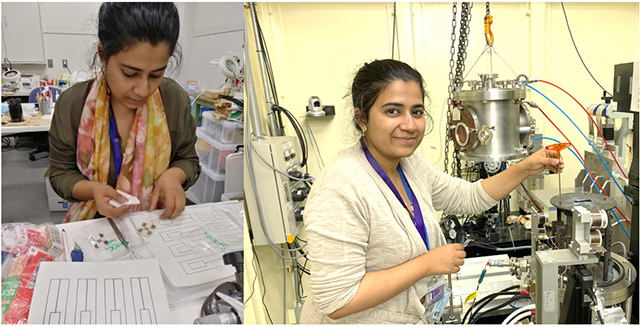
1. Ms Syeda Mehreen’s PhD project
Ms. Syeda U. Mehreen had the chance to conduct in situ directional solidification experiments at the SPring-8 Synchrotron Facility in Hyōgo Prefecture, Japan. Her research project is aimed at investigating the potential for Sn-Cu alloys to be developed as high-temperature solders. The Sn-Cu alloys used as high-temperature solders involve the formation of a needle-shaped Cu3Sn phase and a secondary phase, Cu6Sn5 forms around the primary Cu3Sn and thickens, eventually encapsulating the Cu3Sn completely, whereby Cu3Sn remains in the microstructure.
The presence of Cu3Sn has not been desirable due to concerns associated with its brittleness, possibly attributed to its elongated needle-shaped structure which may reduce solder performance. The focus of this research is to explore possible means of removing Cu3Sn in the bulk solder itself, thereby facilitating the development of Sn-Cu solders for high-temperature applications. Ni has been investigated as a potential means for Cu3Sn suppression. With previous experiments, she achieved Cu3Sn suppression in the bulk alloy Sn-10Cu-xNi (x = 0.06wt.%-1wt.%). Therefore, the next step was aimed at understanding the solidification sequence of Sn-10Cu-xNi alloys by real-time in situ directional solidification.
The real-time observation of the solidification process is key to providing vital information for studying the dynamics of phase formation in these alloys. This opportunity to conduct experiments at SPring-8 has helped Ms. Syeda U. Mehreen to confirm the suppression of Cu3Sn from both the perspective of alloy Ni additions to Sn-10Cu as well as the effect of pull rate on Cu3Sn formation.
2019 International Conference on Nanospace Materials (ICNM), Brisbane, Australia
Ms. Syeda U. Mehreen delivered her paper presentation in ICNM 2019 held at The University of Queensland, Brisbane, Australia in October, 2019. The conference attracted world-class researchers to share topics within the Nanospace Architecture domain.
A diverse presence ranging from industry representatives to research collaborators/ partners attended the ICNM 2019 Conference. She presented a holistic view of the different approaches to remove the primary phase from the microstructure of peritectic alloys with examples from literature and her work.
The Electronic Packaging Interconnect Technology Symposium (EPITS) and Synchrotron Workshop, Penang, Malaysia
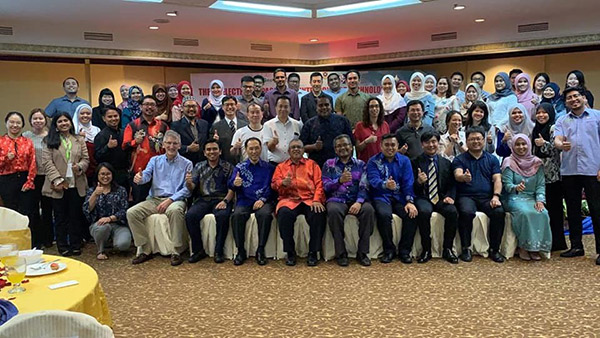
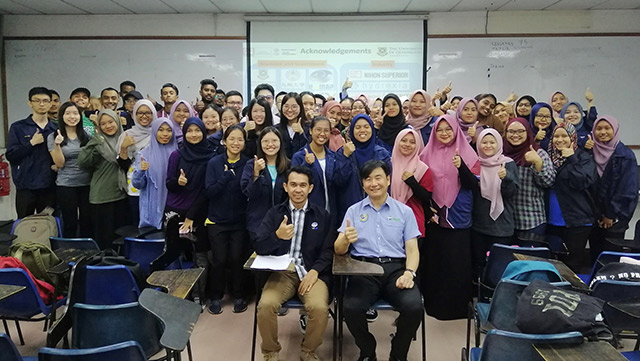
Ms. Syeda U. Mehreen delivered her paper presentation in EPITS 2019 International Conference held at Penang, Malaysia in November 2019. The conference was co-ordinated by Universiti Malaysia Perlis and supported by Nihon Superior Ltd. She presented her work on using Nickel and Zinc as potential alloying elements that can be added to Sn-Cu systems to remove the potentially brittle Cu3Sn phase.
Ms. Syeda U. Mehreen published this work as a conference paper, titled, “Effect of Zn addition on Cu3Sn formation in Sn-10Cu alloys”. The citation is as follows:
Mehreen, S.U., Nogita, K., McDonald, S. and StJohn, D., 2019, December. Effect of Zn addition on Cu3Sn formation in Sn-10Cu alloys. In IOP Conference Series: Materials Science and Engineering (Vol. 701, No. 1, p. 012009). IOP Publishing.
Ms. Syeda U. Mehreen also attended the Synchrotron Workshop that was jointly held at EPITS 2019. The topics at the workshop revolved around the importance of synchrotron light and how that power source can be utilised for many different techniques such as X-ray powder Diffraction (XRD), X-ray photoelectron spectroscopy (XPS), X-ray absorption spectroscopy (XAS).
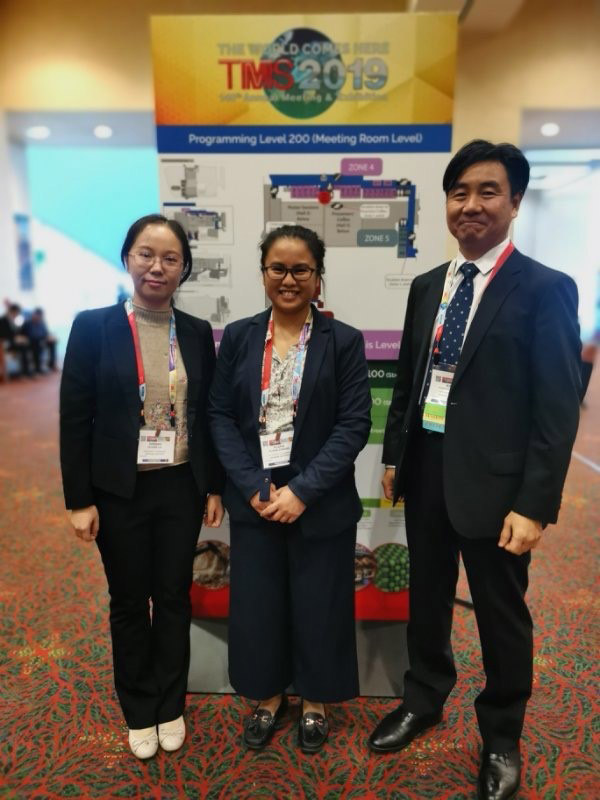
2. Mrs Flora Somidin’s PhD project
2019 progress updates
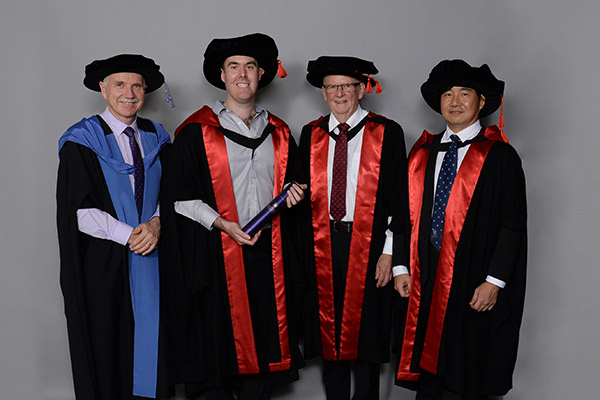
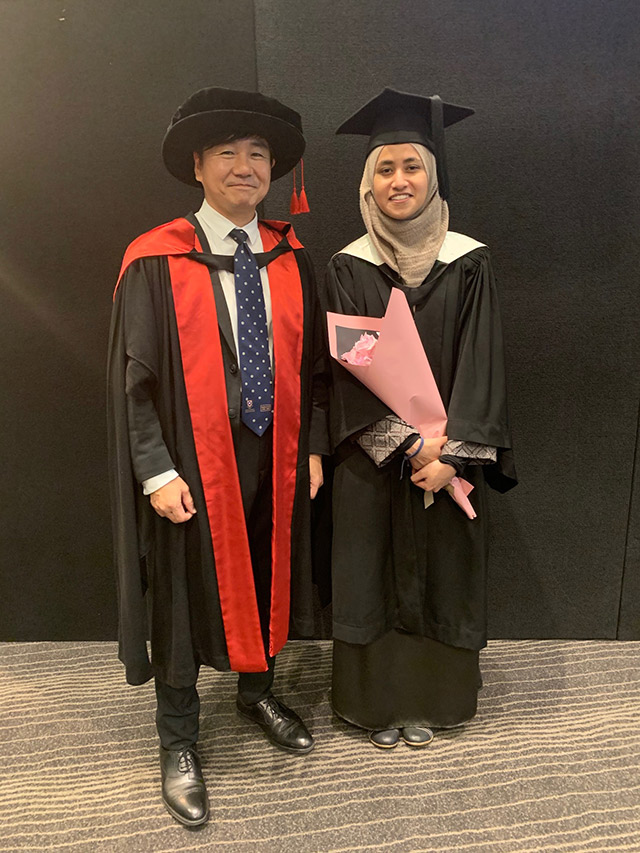
Mrs. Flora submitted her thesis on 31st October 2019 for evaluation from external examiners. On 16th March 2020, she was awarded her Ph.D. degree in the field of materials engineering from the School of Mechanical and Mining Engineering, University of Queensland, Australia.
Ph.D. thesis title: Phase Transformation Considerations in Manufacturing Reliable Sn-rich Solder joints
Ph.D. thesis short abstract: The legislated removal of lead (Pb) from solders used in the electronics sector has seen a range of primarily Sn-based Pb-free solders developed over the past decade. When these solders react with Cu substrates in printed circuit boards of electronic packaging systems, the dominant intermetallic that results will be Cu6Sn5.
The thesis includes three major outcomes: in-situ high voltage transmission electron microscopy observation of polymorphic phase transformation of Cu6Sn5 in real solder joint, inhibitory effect on polymorphic phase transformation of Cu6Sn5 by Ni alloying, and investigation of manufacturing of reliable solder joints by reducing cracking using the developed time-temperature-transformation diagram of Cu6Sn5.
2019 publications included in the thesis:
1. F. Somidin, H. Maeno, T. Toriyama, S. D. McDonald, W. Yang, S. Matsumura, K. Nogita, Direct observations of the Ni stabilising effect in interfacial (Cu,Ni)6Sn5 intermetallic compounds, Materialia, 9 (2020) 100530. DOI: https://doi.org/10.1016/j.mtla.2019.100530.
2. F. Somidin, S. D. McDonald, X. Ye, D. Qu, K. Sweatman, T. Akaiwa, T. Nishimura, K. Nogita, Reducing cracking in solder joint interfacial Cu6Sn5 with modified reflow profile, Submitted to Journal of the Japan Institute of Electronics Packaging on 18th July 2019.
10-14 March 2019: 2019 TMS Annual Meeting & Exhibition, San Antonio, Texas, USA
Presentation title: "Phase transformations induced cracking in solder joints containing Cu6Sn5"
Abstract: In isolated samples of Cu6Sn5 there is significant evidence that there is a polymorphic phase transformation that is sensitive to composition (including trace elements) and cooling/heating rate. It has been hypothesised that this is a mechanism of cracking in samples subjected to thermal cycling. However, there has been little direct evidence of the transformation in constrained solder joints that contain multiple phases as well as an adjacent substrate.
This research uses a systematic approach to characterise the structural evolution of a single targeted Cu6Sn5 grain constrained between Sn rich and Cu‐Cu3Sn phases using high‐voltage Transmission Electron Microscopy (HV‐TEM) equipped with an Omega energy filter. A time‐temperature‐transformation (TTT) diagram was developed and used to inform a sequence of thermal cycling to investigate the propensity for cracking. The results show for the first time the relationship between cracking and phase transformations in the Cu6Sn5 of solder joints.
1-4 October 2019: 2019 International Conference on Nanospace Materials, Nanoarchitects in Nanospace Materials, The University of Queensland, St Lucia Campus, Australia.
Presentation title: "Constructing a time-temperature-transformation curve for Cu6Sn5 using in situ high-voltage TEM"
Abstract: The intermetallic Cu6Sn5 typically forms as an interfacial layer in the soldering reaction between Sn-based solder alloys and Cu substrates. During the soldering process, the high temperature hexagonal η-Cu6Sn5 (P63/mmc) phase that forms on the Cu substrate can transform to a monoclinic η’-Cu6Sn5 (C2/c) variant during cooling from >186 °C to room temperature.
While the polymorphic transformation of bulk structures of Cu6Sn5 has been extensively studied by methods including XRD and DSC, the results provide little insight into the mechanisms of the transformation occurring in individual Cu6Sn5 grains present in more commercially relevant structures.
A direct observation of the transformation in a real solder joint is required before the results can be more generally applied. In this study, we present a novel method to construct a time-temperature-transformation (TTT) curve of the η↔η’ transformation in a single targeted Cu6Sn5 grain constrained between Sn-rich and Cu-Cu3Sn phases using in situ high-voltage Transmission Electron Microscopy (HVTEM) equipped with an Omega energy filter.
The method provides a new approach for further understanding and potentially controlling the solid-state transformations in a variety of solder systems in micro-alloyed Pb-free solder joints. Importantly, the results are of great scientific interest and the technique could find application in characterising phase transformation in targeted locations of other materials.
Presentation title: "Influence of cooling conditions on the interfacial Cu6Sn5 intermetallic compound in Sn-37Pb/Cu solder joints during reflow"
Abstract: Despite a shift to Pb-free solders in the majority of electronic assemblies, Pb-containing solders are still used in a variety of applications. Recent research has revealed the complexities of the intermetallic Cu6Sn5 in terms of its crystal structure and stability when present as the reaction product between Pb-free solders and common substrates. In light of these findings, the effect of multiple reflow cycles with different cooling conditions on the microstructure of the interfacial Cu6Sn5 intermetallic compound (IMC) between Sn-Pb solders and Cu substrates was re- examined.
For this purpose, the Sn-37Pb (in wt.%) solder was reflowed on a Cu substrate at a temperature of around 240 °C and cooled at a rate of around 30 °C/min under each of two conditions; (i) direct-cooling to room temperature, and (ii) interrupted-cooling with extended isothermal holding periods of 30 and 180 seconds at 140 °C.
This second condition was chosen to encourage the polymorphic transformation that occurs in the Cu6Sn5 (at an equilibrium temperature of 186 °C) at a temperature which minimises the stresses involved. Smaller cracks and a thinner interfacial IMC layer were observed in the solder joints that were reflowed repeatedly with the interrupted-cooling conditions. However, despite the higher number of cracks in the samples undergoing conventional reflow, the shear strength was not significantly affected.
Publication: F. Somidin, S. McDonald, T. Akaiwa, T. Nishimura, and K. Nogita, “Influence of cooling conditions on the interfacial Cu6Sn5 intermetallic compound in Sn-37Pb/Cu solder joints during reflow,” IOP Conference Series: Materials Science and Engineering, vol. 701, p. 012006, Dec. 2019, doi: 10.1088/1757-899x/701/1/012006.
3. Ms Shiqian Liu’s PhD project
Ms Shiqian Liu presented her work about the interaction of Ga-based alloys and Cu substrates at low temperatures at the 2019 TMS Annual Meeting & Exhibition on 13 March 2019 at San Antonio, Texas, USA.
Ms Shiqian Liu was invited to visit Central South University, Changsha, China in November 2019. She presented her work about the interaction of Ga-based alloys and Cu substrates at low temperatures in the School of Minerals Processing and Bioengineering, and the School of Materials Science and Engineering.
4. Ms Xin Fu Tan’s PhD project
Ms. Xin Fu Tan received a postgraduate research award (PGRA), a living stipend top-up scholarship sponsored by the Australian Institute of Nuclear Science and Engineering (AINSE). She also attended the orientation week in the nuclear facilities in Lucas Heights, New South Wales.
There were 23 scholars from both PGRA and RSS (residential student scholarship), who attended the o'week, including 6 from NZ and the rest from AU (2 from UQ, the other one is an RSS holder from Science Faculty). Leaders from various ANSTO facilities in Lucas Heights gave talks about their respective units and a facility tour was held.
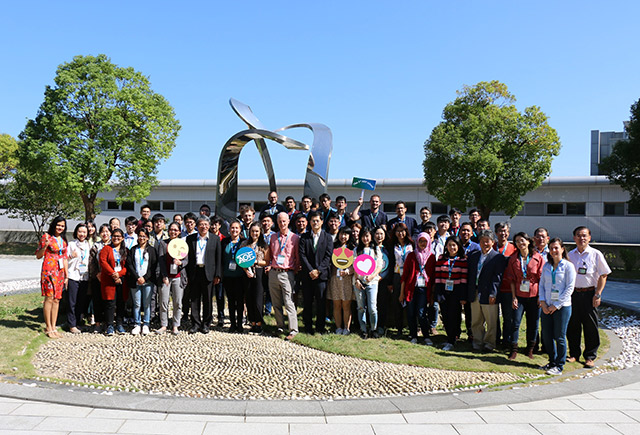
Ms. Xin Fu Tan was selected as one of 6 research students/early career researchers sponsored by Australia to attend the 3rd Asia Oceania Forum Synchrotron Radiation (AOFSRR) School, held at the National Synchrotron Radiation Research Center (NSRRC), Hsinchu, Taiwan. The venue is also where the Taiwan Light Source (TLS) and Taiwan Photon Source (TPS) are located. 48 participants including Masters and PhD students, early career researchers from universities and synchrotron facilities in the Asia Oceania region attended the event.
The school’s curriculum covers the fundamentals of synchrotron radiation, crystallography, scattering & X-ray matter interaction, various beamlines and their applications. The other activities include a tour of the TPS, beamline specific activities including tutorials, beamline practice, data analysis and student presentations.
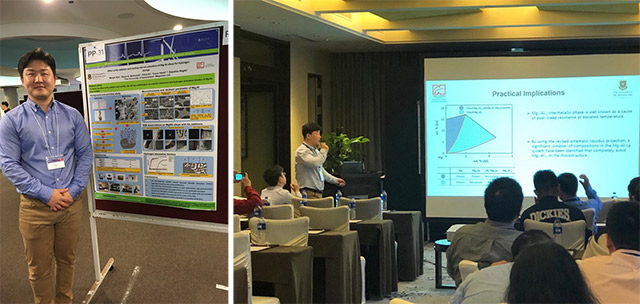
5. Mr Manjin Kim’s PhD project
Mr. Manjin Kim attanded 9th International Light Metal Technology Conference (LMT 2019), Shanghai, China. He made an oral presentation with the topic “Solidification microstructures in the Mg-rich corner of the Mg-Al-La” at the conference. He also presented his research topic “Effect of Na addition and cooling rate on activation of Mg-Ni alloys for hydrogen storage” at a poster session, 2019 International Conference on Nanospace Materials (2019 ICNM), Brisbane, Australia.
Based on his research results, he published a paper “Effect of Na addition and cooling rate on the activation of Mg-Ni alloys for hydrogen storage systems” in the Journal of Nanoscience and Nanotechnology and a proceedings “The Independent Effects of Cooling Rate and Na Addition on Hydrogen Storage Properties in Hypo-eutectic Mg Alloys” in Mgnesium Technology 2020.
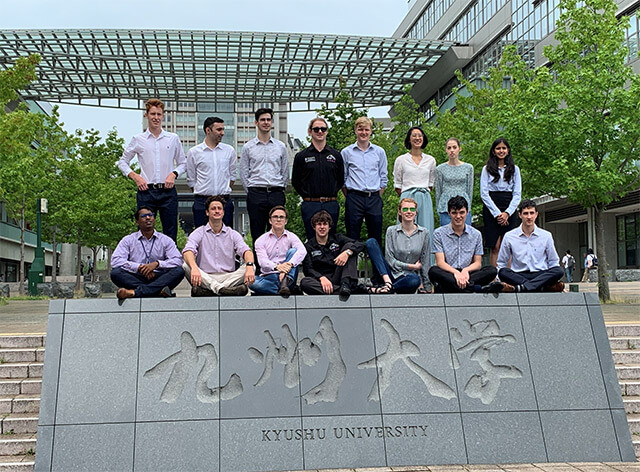
Mr. Manjin Kim was awarded $5,000 travel funding for an internship at the Nihon Superior R&D Centre in Osaka, and a traineeship at The Ultramicroscopy Research Centre, Kyushu University, Fukuoka, Japan (19 Oct 2019 to 19 Jan 2020).
He conducted experiemnts on high-voltage transmission electron microscopes at Kyushu University to study about the hydrogen desorption behavior of Mg-La alloys. He also conducted Porosity Distribution Observation of Cu-xNi/Ga/Cu-xNi lap joint using resonant ultrasound spectroscopy (Sonoscan D9600TM) at Nihon Superior R&D Centre.
6. Ms Nurul Razliana Abdul Razak’s PhD project
Development of full intermetallics solder joints using Sn-Cu systems through transient liquid phase (TLP) method have already received significant attention due to their potential to be applied as an alternative for high temperature interconnection application.
On 10–12 June 2019, an in-situ heating observation was done on the fast growth of the Cu6Sn5 intermetallics resulting from the reaction of the Sn-Cu solder with Cu-Ni substrates. Observations were made using the high resolution of Synchrotron real-time X-ray imaging located at BL20XU. From this study, other than the fast growth of the intermetallics, the mechanism of porosity formation in TLP processes was also observed.
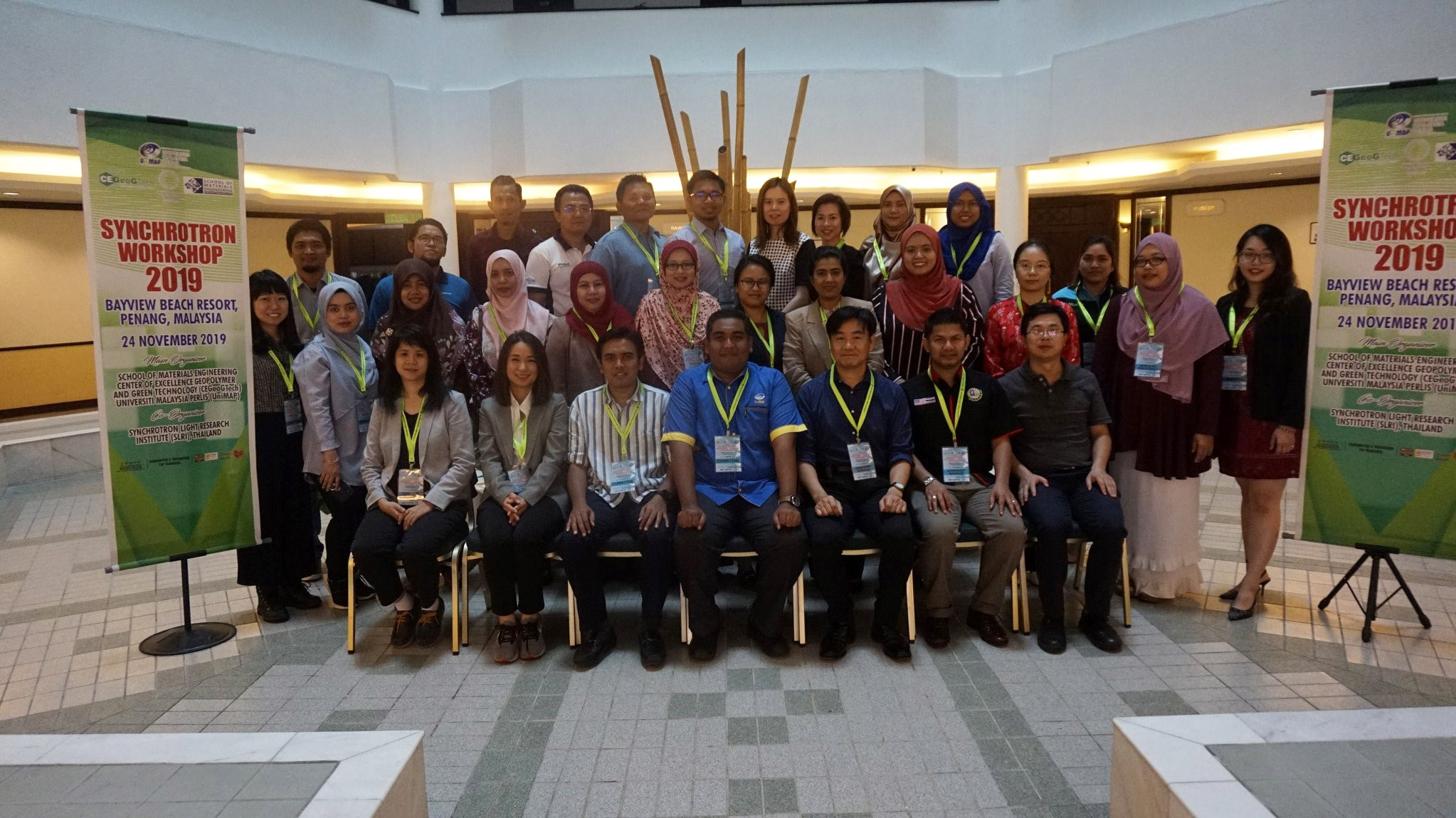
Nurul Razliana Abdul Razak delivered her paper presentation in the Electronic Packaging Interconnects Symposium (EPITS 2019) held at Bayview Beach Resort, Penang, Malaysia in November 2019.
This conference brings a multi-disciplinary group of scientist and engineers from different countries such as Malaysia, China, Japan and Australia to present and exchanges ideas related to the electronic packaging. Razliana’s paper was presented was published in IOPScience Conference Series as follows:
Razak, N. R. A., Tan, X. F., McDonald, S. D., & Nogita, K. (2019). Interfacial reactions between different Sn-based lead-free solder alloys and CuNi substrates. IOP Conference Series: Materials Science and Engineering, 701, 012008.
In conjunction of the conference, a workshop related to synchrotron was held with several speakers who are experienced with Spring-8 Synchrotron, Japan and Synchrotron Light Research Institute (SLRI), Thailand.
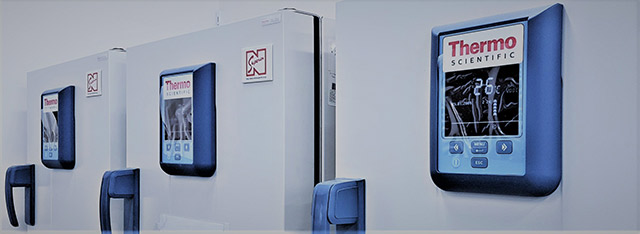 The Centre is equipped with sample production, processing and analysis equipment and softwares to facilitate advance research.
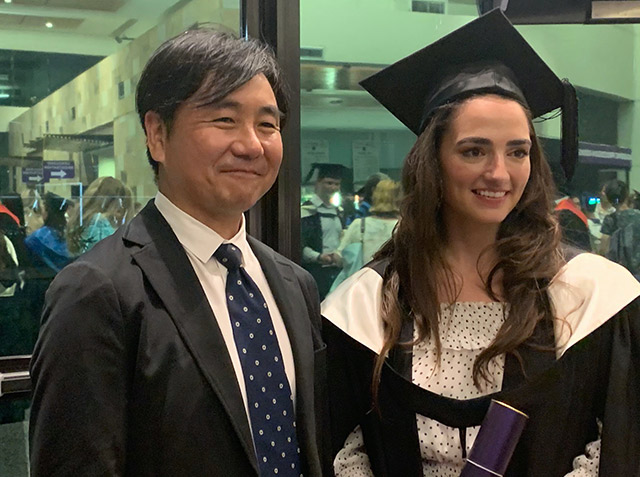
 Dr. Liu obtained her PhD degree from the University of Queensland, and she is currently a Postdoc Research Fellow at the School of Mechanical and Mining Engineering, the University of Queensland.
 Dr. Tan obtained her PhD degree from the University of Queensland, and she is currently a Postdoc Research Fellow at the School of Mechanical and Mining Engineering, the University of Queensland.