34th International Symposium on Rarefied Gas Dynamics
The RGD34 abstract submission due date has been extended to the 1st of March 2026!
The RGD34 abstract submission process will open on the 15th of December 2025. Further details can be found at the Abstract Submission tab below and a Call for Abstracts flier that you can share with your colleagues and collaborators can be found here or by clicking on the image below.
About RGD34
The International Symposium on Rarefied Gas Dynamics is a biennial academic conference. The symposia are a forum for the presentation of recent advances in the field of rarefied gas dynamics. Research presented encompasses applications of space, materials, and propulsion, as well as the basic physics of molecular interactions, gas surface interactions, kinetic theory, astronomical observations, gas transport, multi-phase flows, combustion, non-equilibrium hypersonic gas dynamics, and plasma processing. The first symposium was held in 1958 in Nice, France. Since that time, the symposia have been organized in various countries in North America, Europe, Asia, and Australia.
The Symposium gathers scientists from several disciplines to discuss basic science and technological applications in the following areas:
- Boltzmann and related equations: mathematical properties of the Boltzmann equation, proofs of existence of solutions in particular cases, model kinetic equations
- Monte Carlo methods and numerical solutions
- Moment methods
- Experimental methods
- Gas-surface interactions
- Aerospace. Examples include high speed flows, shock waves, nozzle expansions, high altitude aerodynamics.
- Jets and plumes
- Internal flows and vacuum systems
- Reactive gas dynamics
- Rarefied plasmas
- MEMs and NEMs
- Granular flows
- Porous media
Since the first Symposium, where Harold Grad was one of the lecturers, the RGD Symposia are recognized as the principal forum for the presentation of recent advances in the fields associated with Rarefied Gas Dynamics. It has consistently attracted important papers from technical leaders such as Nobelists John Fenn and Ilya Prigogine. Other luminaries have included Lloyd Thomas, Graeme Bird, E.P. Muntz, J.P. Toennies, Y.L. Klimontovich, Carlo Cercignani, Berni Alder, A.V. Bobylev, Francois Golse, Y. Sone, and many more.
Committees
Co-chairs:
| Professor Sean O'Byrne | Australian National University |
| Dr Tamara Sopek | The University of Queensland |
Local Organising Committee:
| Dr David Petty | The University of New South Wales Canberra |
| Dr Chris James | The University of Queensland |
| Dr Rowan Gollan | The University of Queensland |
| Professor Timothy McIntyre | The University of Queensland |
Conference Location
Conference Venue:
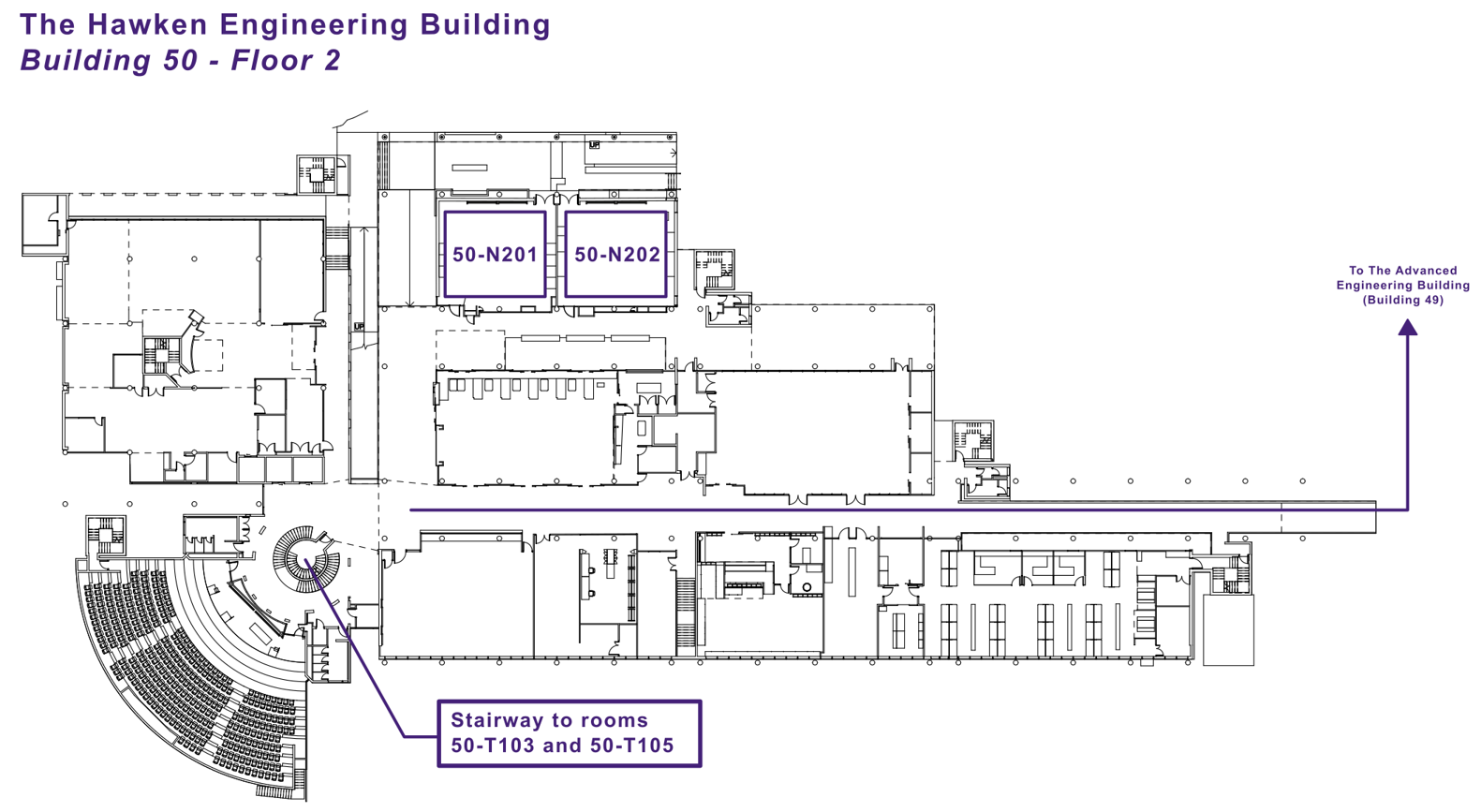
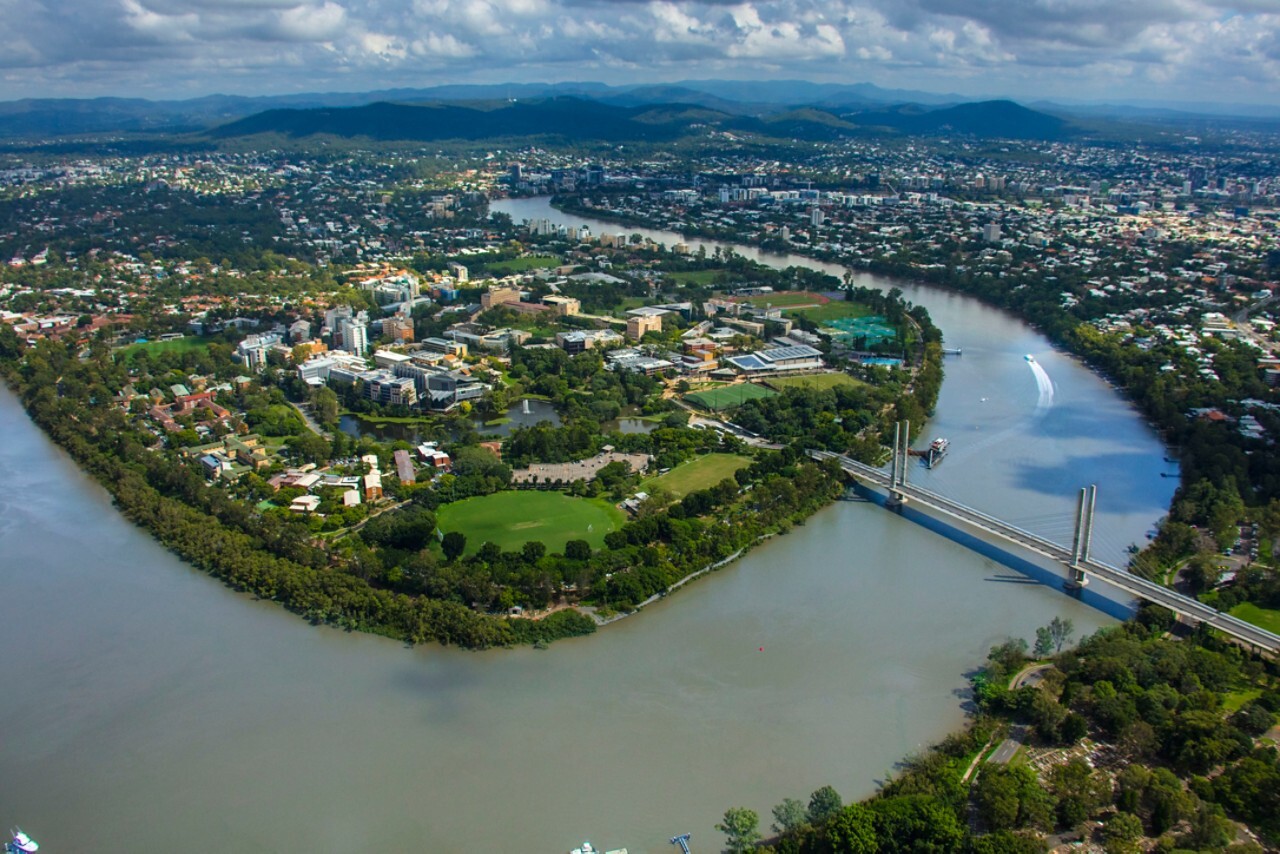
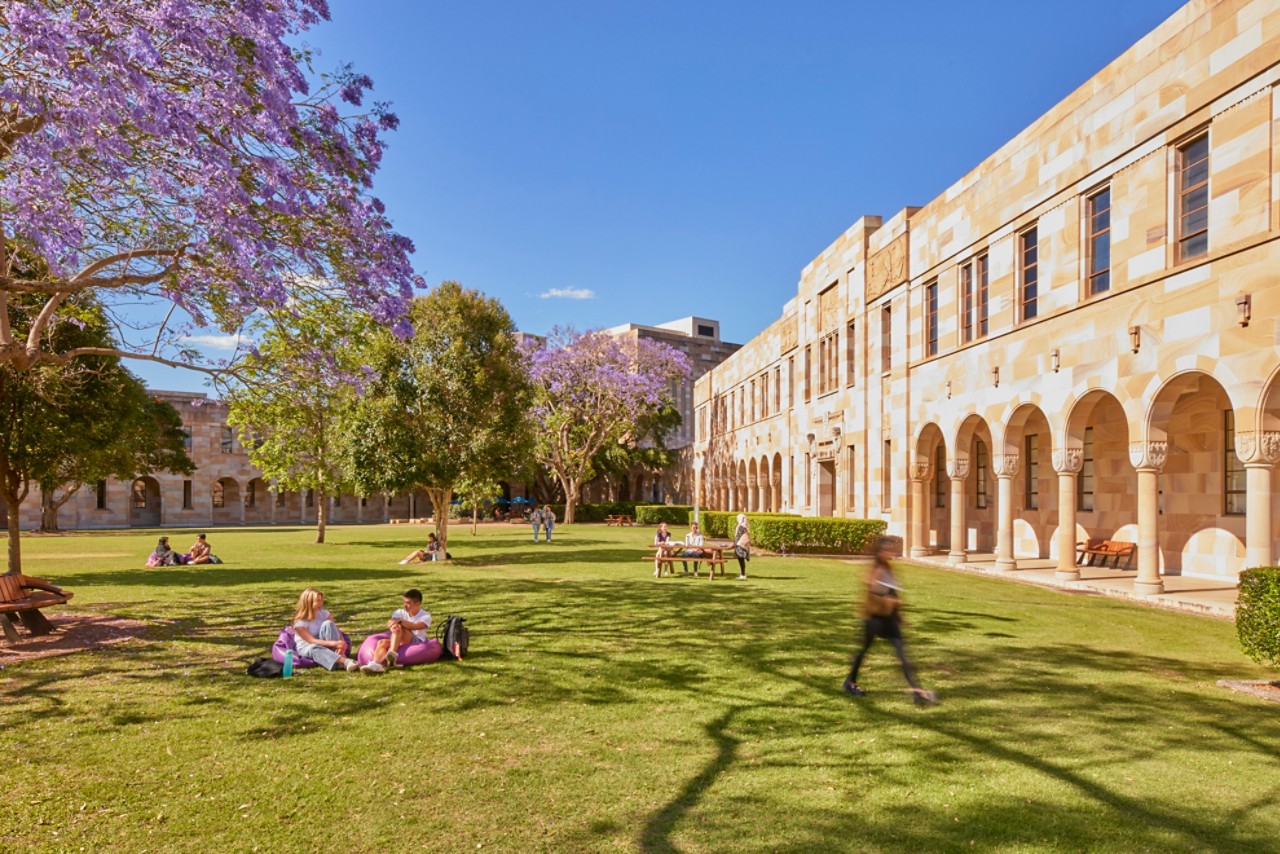
RGD34 will be held at the University of Queensland's (UQ) St Lucia campus in downtown Brisbane, Australia. UQ is a top 50 ranked university in the world and through UQ's Centre for Hypersonics, UQ is a leading world university in hypersonic and shock wave research.


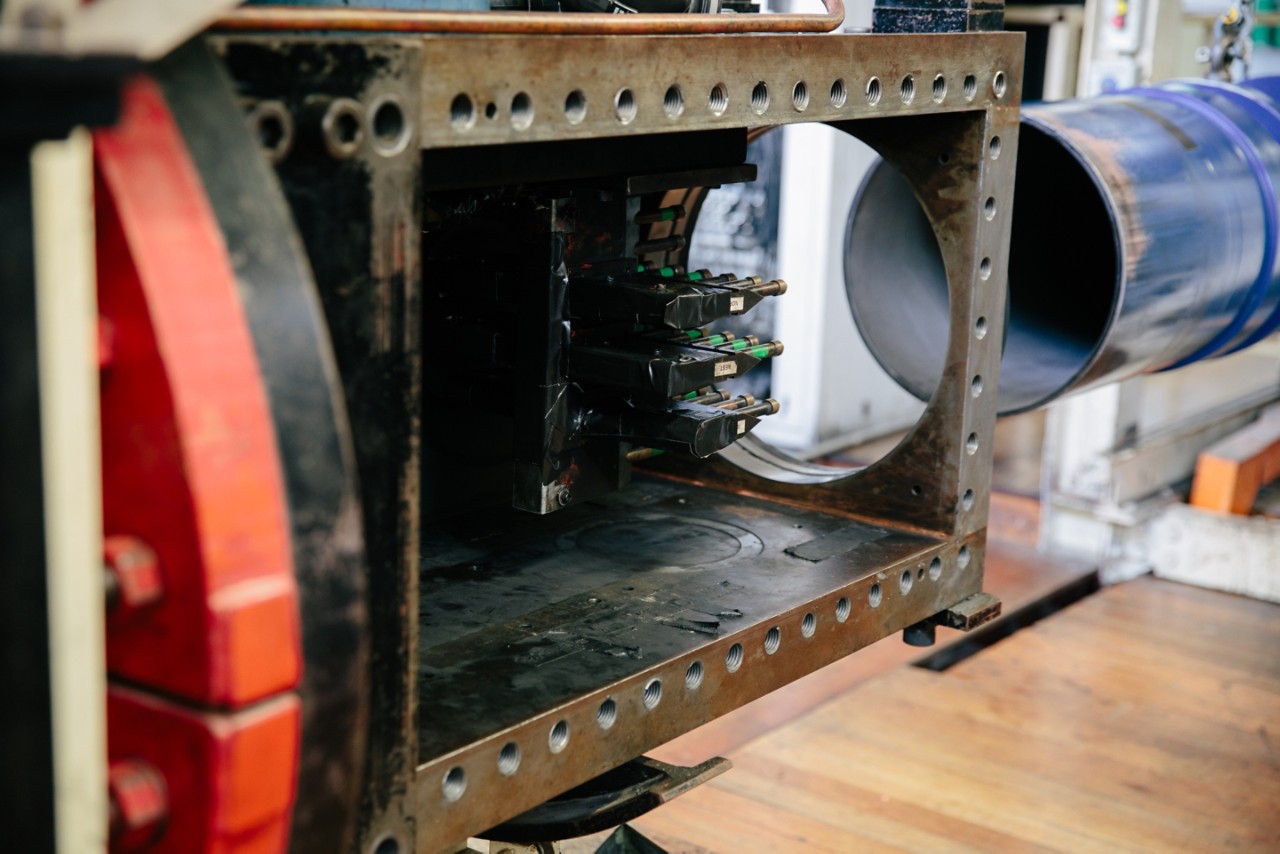
UQ's St Lucia campus houses several major hypersonic test facilities, such as the T4 Stalker Tube (shown below) and the X2 expansion tube, which will be able to be toured during the conference.

Getting to the Conference
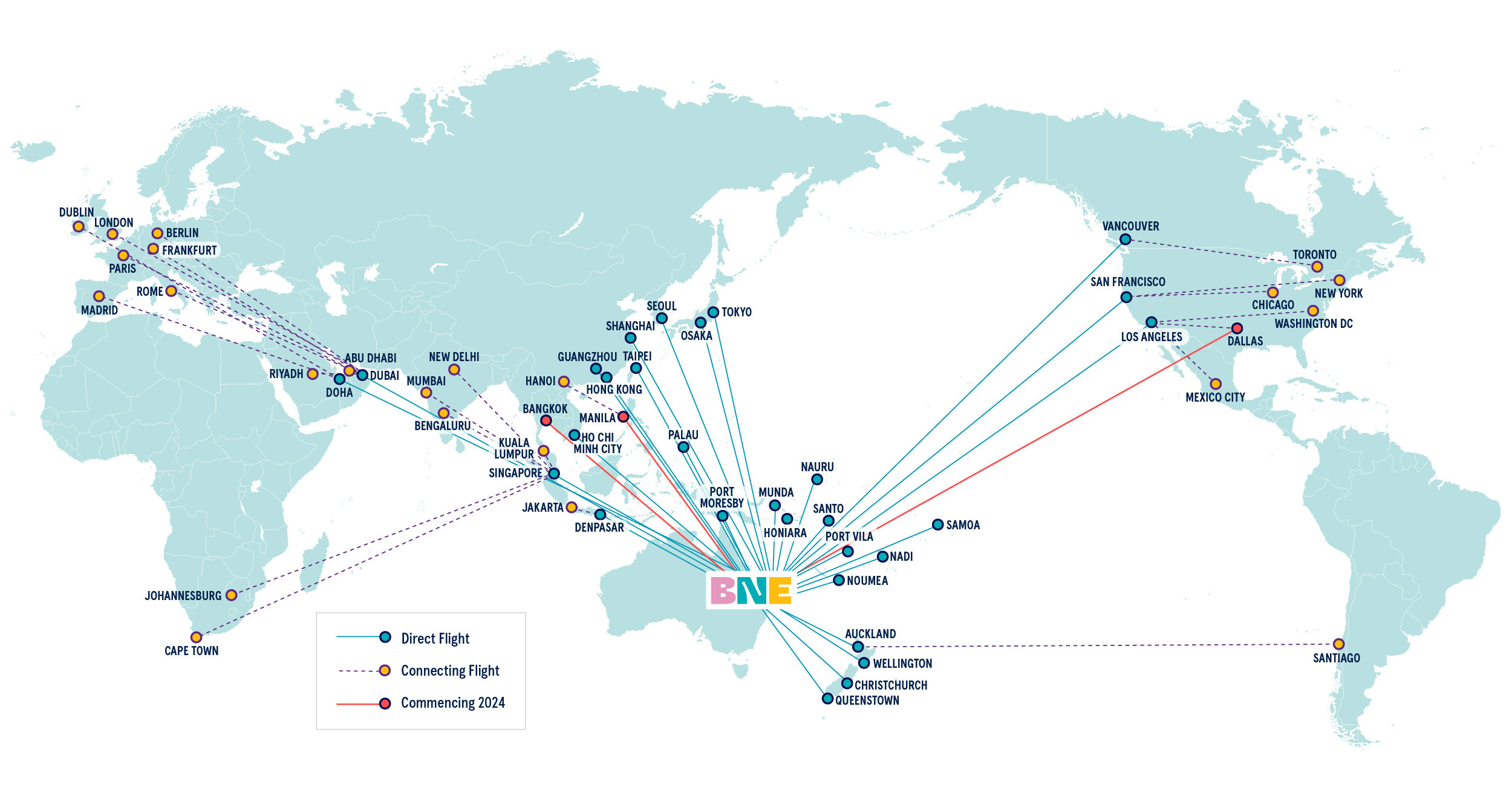
Brisbane is well connected through the Brisbane International Airport (BNE). There are regular direct flights to and from Brisbane into most of Asia and to the East Coast of the USA. Generally, major cities in the rest of the world can be accessed via a single connecting flight.
Further information about destinations which can be reached from Brisbane can be found on the Brisbane International Airport website.

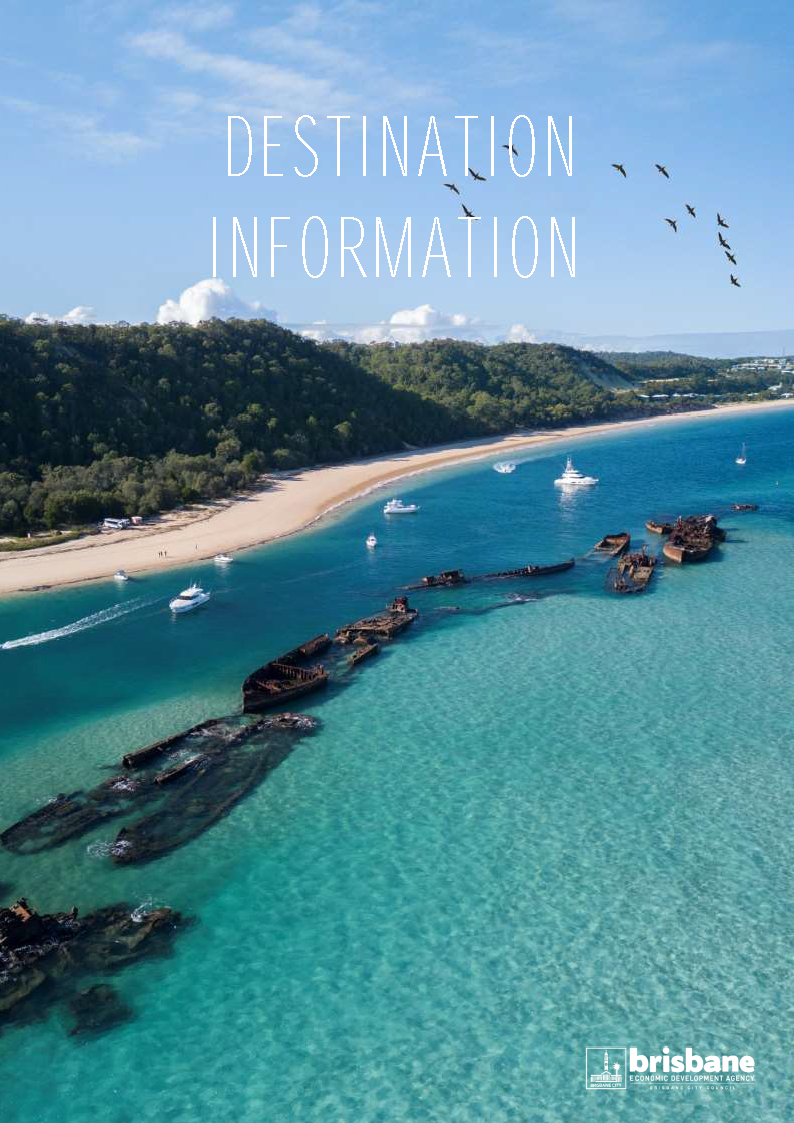
Host City: Brisbane
Brisbane is the capital of the Australian state of Queensland. Being a semi-tropical climate, Brisbane is a great place to visit in winter when ISSW35 will be held. Information about accomodation and restaurants specifically related to ISSW35 will be provided at a later date, but generic information about Brisbane can be found below.
Plenary Speakers
The Harold Grad Lecture
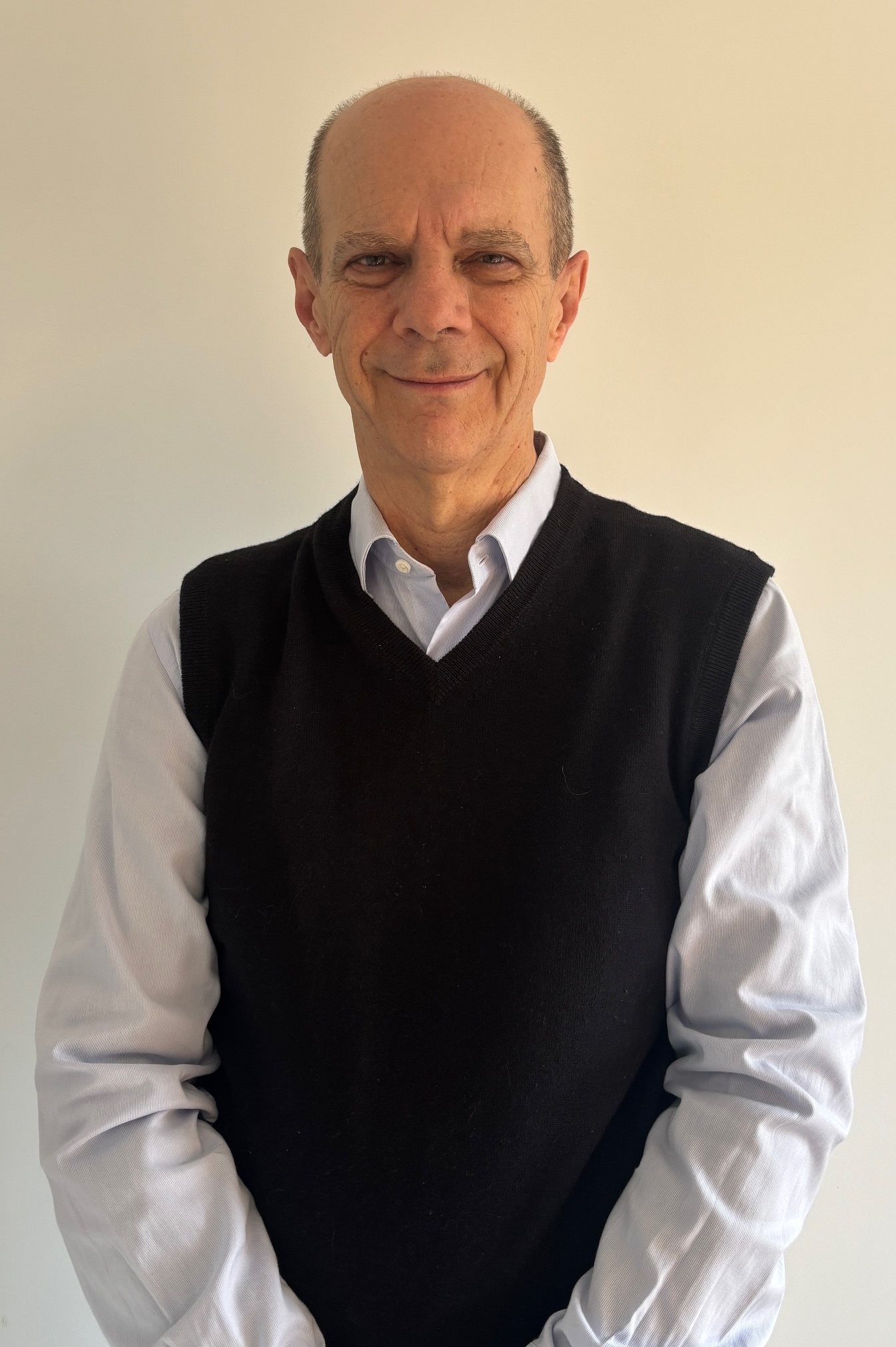
Dr Domenico Giordano, ESA (retired)
“Reflections on my experience with the kinetic theory”
Dr Domenico Giordano earned his degree cum laude in Aeronautical Engineering from the University of Naples in July 1984, completing a program of study with strong emphasis on aerospace specialization. After completing his military service as second lieutenant in the Italian Army, he spent several months-from January to July 1986-working at FIAT Aviazione in Turin as an engineer, focusing on turbine‑blade heat‑transfer protection.
Dr Giordano joined the European Space Agency in December 1986 and was assigned to the European Space Research and Technology Centre (ESTEC) in Noordwijk, The Netherlands. He spent three years in the Analysis and Programming section, where he developed expertise in computational fluid dynamics and hypersonic aerodynamics. He then transferred to the Aerothermodynamics section, where he broadened his expertise across several advanced disciplines; his work focused on high‑temperature, non‑equilibrium gas dynamics for both internal and external flows, thermodynamics, and chemical and thermal kinetics. He also acquired expertise in electromagnetic fluid dynamics, deepening his understanding of complex physical processes relevant to atmospheric entry. His staff‑member duties included serving as technical officer for ESA’s technological research programme and general-studies programme and providing technical support to ESA’s projects. In addition, Dr Giordano acted as tutor for undergraduate, graduate, PhD students, and post‑doctoral research fellows.
Dr Giordano earned his PhD cum laude from the École Polytechnique Universitaire de Marseille in November 2005, completing a dissertation titled “On the Statistical and Axiomatic Thermodynamics of Multi‑Temperature Gas Mixtures.” In May 2012, he was seconded to the von Kármán Institute for Fluid Dynamics, where he served as a visiting professor responsible for teaching two courses: Physical Fluid Dynamics and Fundamental Disciplines of Aerothermodynamics.
In 2014, he returned to his duties at ESTEC, where he remained until his retirement in May 2017. Since then, Dr Giordano has continued to pursue scientific research, developing a growing interest in self‑gravitating fluids and general relativity.
The Irving Langmuir Lecture
Dr Shahid Rauf, Applied Materials, Inc.
"Rarefied Plasmas for Nanofabrication: Modeling, Diagnostics and Applications"
Shahid Rauf serves as Managing Director of Plasma Products Modeling (PPM) at Applied Materials, Inc., a global leader in materials engineering solutions for semiconductor and display fabrication. The PPM team leverages advanced physics-based modeling to design products for plasma-assisted processes, including etching, deposition, selective removal, and atomic layer deposition. The PPM team is widely recognized within Applied Materials and externally for pioneering innovative methods for modeling semiconductor industry relevant plasmas, developing cutting-edge plasma processing tools, and advancing the physics understanding of plasma etch and deposition technologies. Shahid Rauf received the Plasma Prize from the AVS Plasma Science & Technology division in 2024. In addition, Shahid Rauf and colleagues won the prestigious Patent Hall of Fame award at Applied Materials in 2020 for patents related to the design of Sym3®, the company’s world-class plasma etch system. Shahid Rauf is the inventor on more than 100 granted patents and has authored more than 100 scientific publications. Prior to joining Applied Materials, Shahid Rauf worked at Motorola (Semiconductor Products Sector) and the University of Illinois Urbana-Champaign, USA. He received his PhD in Electrical & Computer Engineering from the University of Wisconsin - Madison, USA.
The Lloyd Thomas Lecture
Professor Irina Graur, Aix-Marseille University
"Gas transport at microscale and low pressure: experiments and simulations"
Prof. Irina Graur obtained her M.Sc. in Applied Mathematics from Moscow Lomonossov State University in 1984, followed by a PhD also from the same institution in 1989. She later earned her Habilitation from Provence University in France in 2008. From 1984 to 2000, she was an associate professor at the Keldysh Institute of Applied Mathematics in Moscow. She is currently a professor at Aix-Marseille University in France. Her research has significantly contributed to the study of rarefied gases in aerospace applications. Her current interests focus on the experimental and numerical characterization of gas properties at micro- and nanoscale levels. She leads the research group “Non-Equilibrium Phenomena and Microfluidics” at the IUSTI Laboratory. Additionally, she has organized numerous international conferences, workshops, and summer schools. She has co-authored over one hundred journal articles and conference papers.
Talk summary:
Relatively high Knudsen number flows are encountered in many fields, as the vacuum technology and space applications due to the low operating pressure, as well as in MEMS systems and micro porous media due to the small characteristic dimensions. During several years, we have developed the experimental methodologies to characterize the transport properties of such flows.
For each measurement a model, usually based on the kinetic theory, was developed, allowing the extraction of different flow characteristics. Experimental data for velocity slip and thermal slip coefficients for single gases and gas mixtures are discussed. For flows driven by temperature gradients, experimental data for the thermomolecular pressure difference and the flow relaxation time are analyzed.
All these data are obtained using models that rely, among other parameters, on the known characteristic dimension of a dispositive, such as the diameter or cross-sectional area in the case of a channel. However, for porous samples this information is not directly available. Examples of the characterization of microporous media, including permeability and the Klinckenberg factor, are presented even though a characteristic dimension is not clearly defined for this type of medium. Modeling based on gas kinetic theory enables the extraction of useful parameters, such as the “characteristic flow dimension” of a porous medium, will be discussed. Several examples illustrating the application of this methodology to various types of porous media and different gases are presented for both isothermal and non-isothermal conditions.
The Graeme Bird Lecture
Professor Thomas E. Schwartzentruber, The University of Minnesota
Talk title and speaker bio coming soon!
Abstract Submission
Call for Abstracts
The local organising committee of the 34th International Symposium on Rarefied Gas Dynamics (RGD34) invites members of the rarefied gas dynamics community to subtracts to the conference under the following topics:
AI and Machine Learning in rarefied gas dynamics
Aerospace: high speed flows, shock waves, nozzle expansions, high altitude aerodynamics
Boltzmann and related equations
Experimental methods
Gas-surface interactions
Granular flows
Internal flows and vacuum systems
Jets and plumes
MEMS and NEMS
Moment methods
Monte Carlo methods and numerical
Porous media
Rarefied plasmas
Reactive gas dynamics
Turbulence and instabilities
The abstract submission due date has been extended to the 1st of March 2026 and can be submitted at the link below:
https://easychair.org/conferences?conf=rgd2026
Abstract templates for Microsoft Word and Latex can be found here and here respectively.
A link to the RGD34 Call for Abstracts flier for sharing with your colleagues and collaborators can be found here.
We look forward to seeing you in Brisbane in 2026,
The RGD34 Local Organising Committee
Visa Information
Applying for an Australian Visa
All travelers, except Australian and New Zealand citizens, must obtain a valid visa before arriving in Australia. Delegates can submit their visa applications online and use the Department of Home Affairs' visa finder tool to Explore visa options. It is highly recommended to apply at least six weeks before your arrival in Australia. For the latest visa-related information, please visit the Australian Government Department of Home Affairs.


Visa Invitation Letters
During registration, you will have the option to request an invitation letter. To assist with visa processing, you will be asked to provide certain details required by the immigration department. These details will be passed to the Australian Department of Home Affairs as confirmation of your attendance. Once your registration and payment are complete, a visa invitation letter will be sent to your registered email. Please allow up to one week for processing and verification. Please note we cannot provide support to delegates who have not completed payment.
Visa Application Status
As conference organisers, we do not have access to visa application updates—this is handled solely by the Australian Department of Home Affairs. We also do not have any influence over visa decisions. If you require an update on your application, please contact the Department of Home Affairs directly.
Visa Refusals
If your visa application is refused, we will refund your registration fee minus a small administration fee to recoup costs associated with fees charged for the registration payment and payment reversal. Proof of refusal will be required, and refunds will be processed after the symposium.
Getting to the Conference
Brisbane is well connected through the Brisbane International Airport (BNE). There are regular direct flights to and from Brisbane into most of Asia and to the East Coast of the USA. Generally, major cities in the rest of the world can be accessed via a single connecting flight.
Further information about destinations which can be reached from Brisbane can be found on the Brisbane International Airport website.
Australia is far away from the rest of the world. If you are arriving from overseas, we would recommend arriving in Brisbane a couple of days before the conference begins to allow you to acclimatise to the time difference and be recovered in time to properly enjoy the conference. If you aim to arrive in Brisbane on Friday the 4th of July you will have the opportunity to participate in our Shock Tunnel Short Course on Saturday the 5th of July, the Welcome Reception on Sunday the 6th of July and to explore Brisbane city a bit before the conference starts.
Getting from the Airport to Brisbane City
There is a direct train link from both the domestic and international terminals of the Brisbane airport to the city center via the Brisbane Airtrain. The Airtrain from the international terminal to Brisbane's Central or Roma St Stations in Brisbane City is approximately 30 minutes and each fare costs $18.96AUD. For more details, please see here: https://www.airtrain.com.au/
Taxis and Ubers are also readily available to take delegates to or from the airport to Brisbane city for a cost of around $50AUD.

Host City: Brisbane
Brisbane is the capital of the Australian state of Queensland. Being a semi-tropical climate, Brisbane is a great place to visit in winter when RGD34 will be held.
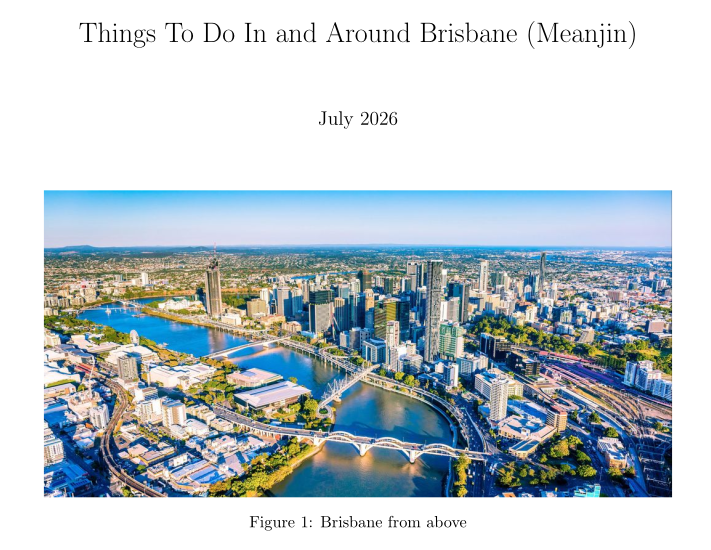
Useful information about Brisbane and Australia such as the local climate, time zone, the type of power plug, currency, emergency phone number, whether you need to tip or not (you don't need to tip), and regular shopping hours etc. can be found in the two documents below:
(Click on the links to open the documents.)
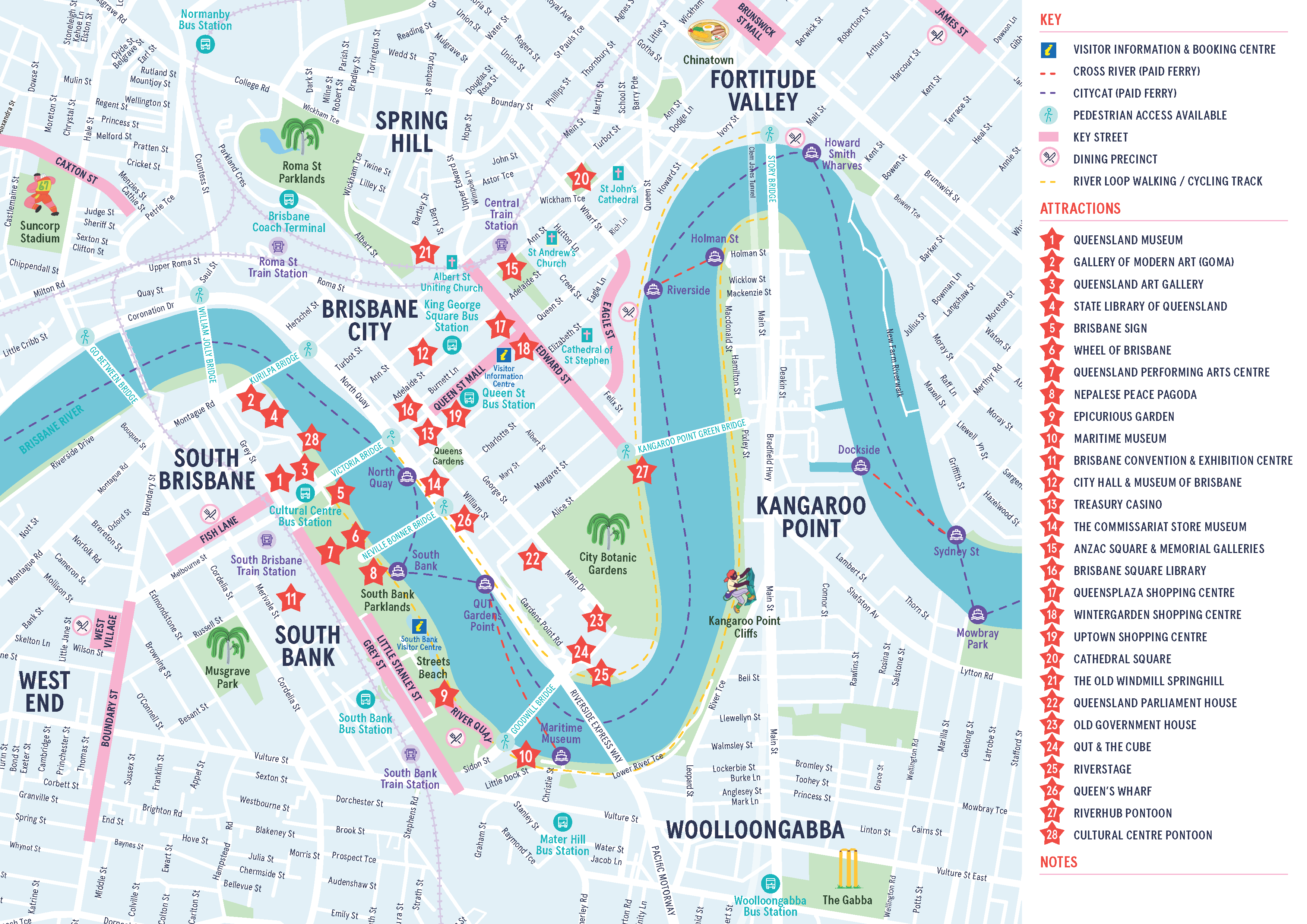
The local attractions located in Brisbane's inner city where most people will be staying can be seen in the Brisbane tourist map below:
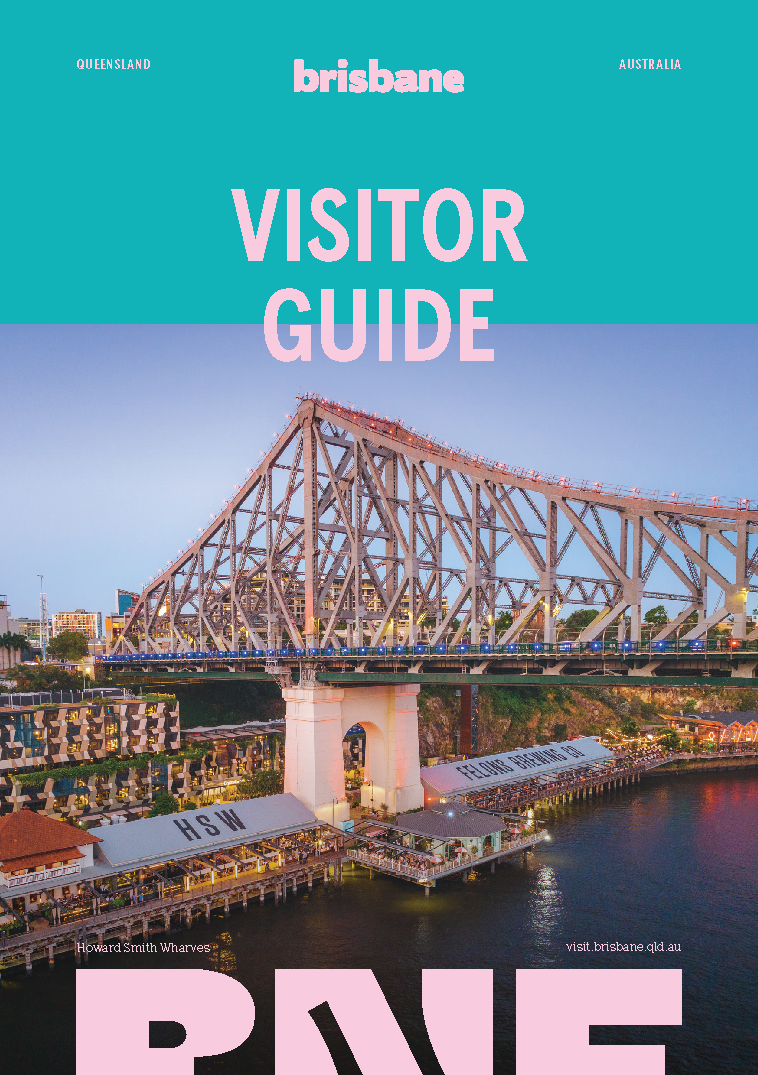
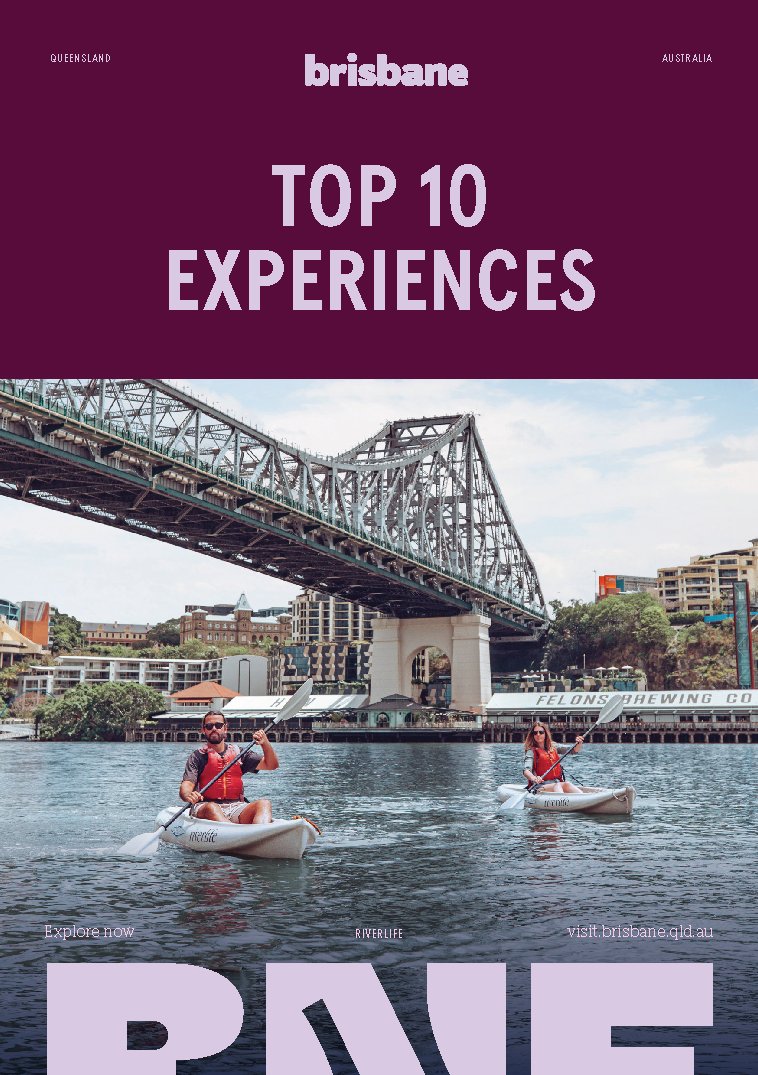
The following guides provide a large amount of information about things you can do in Brisbane during your time here:
(Click on the images to open the documents.)
Even more information allowing you to discover Brisbane can be found below:
Where to Stay in Brisbane
There are many great places to stay Brisbane, and this guide will hopefully help point you in the right direction.
Conference Location
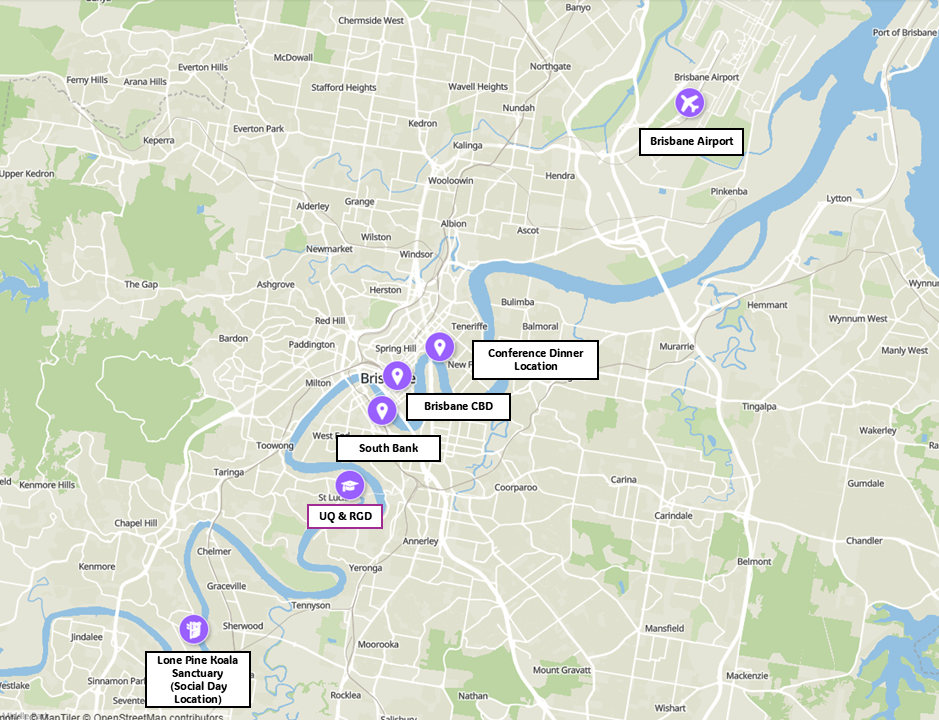
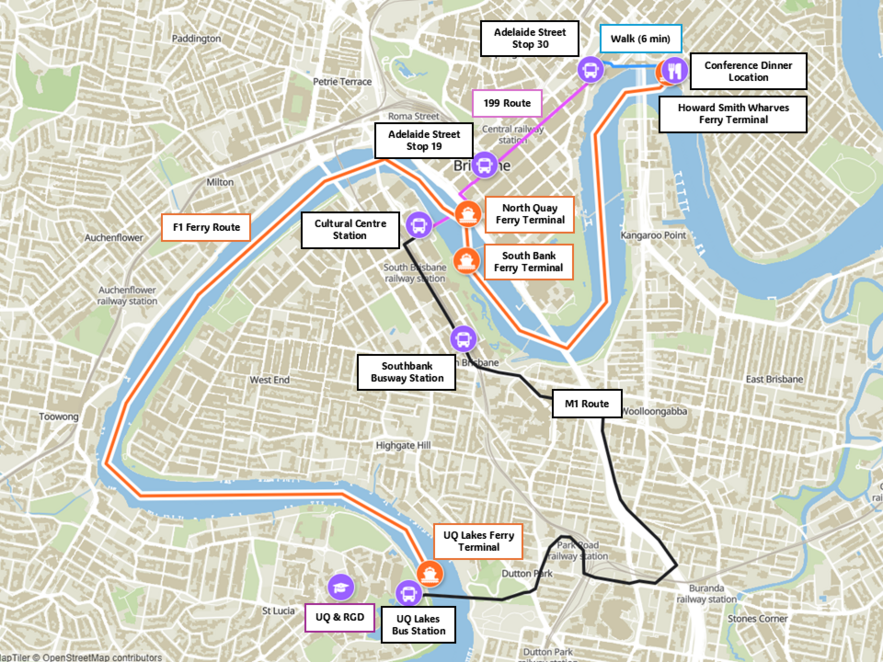
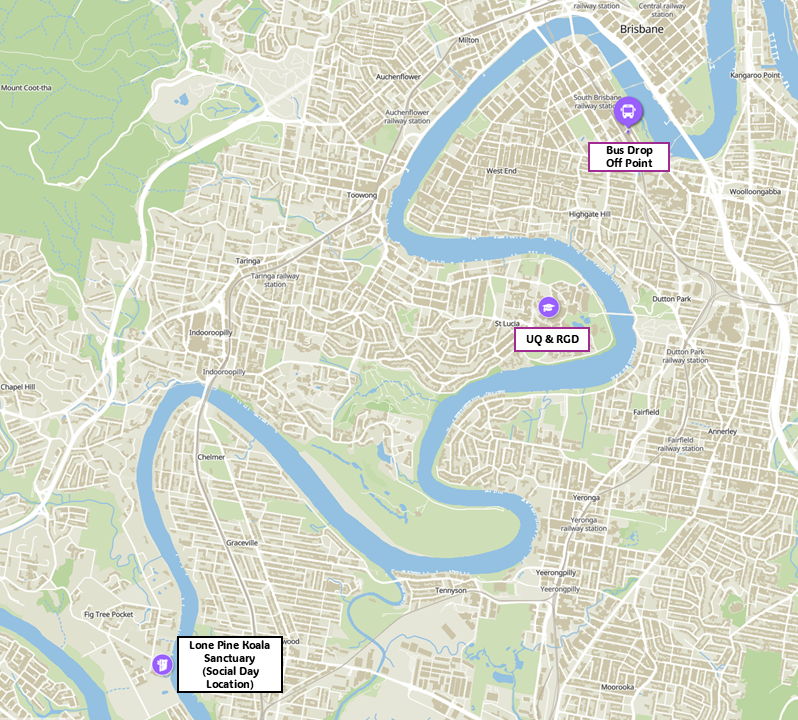
The University of Queensland main campus where RGD34 is to be held is in the suburb of St Lucia, an inner-city suburb south of the Brisbane Central Business District (CBD). Nearby suburbs which have close bus links with UQ as well as shopping and dinner options nearby include: Toowong, Indooroopilly, West End, South Bank, Woolloongabba, and of course the Brisbane CBD.
Public Transport
Brisbane public transport options include an extensive bus network including the new Brisbane metro rapid transit system, a train network connecting the CBD to outer suburbs, and a river ferry service called the CityCat. Currently, all Brisbane public transport fares including CityCats are reduced to a flat rate of $0.50AUD, excluding the Airtrain. Paying for public transit in Brisbane is best done via the electronic smartcard Go Card: https://translink.com.au/tickets-and-fares/go-card
These can be picked up at the airport or from local convenience shops, and you will also be able to top these up upon purchase or in specific bus stations. Ferries, trams, and trains additionally accept contactless payment via debit or credit card.
We recommend downloading the Translink app which can be used to view bus timetables and plan your travel around Brisbane: https://translink.com.au/plan-your-journey/mytranslink
Getting from the Airport to Brisbane City
There is a direct train link from both the domestic and international terminals of the Brisbane airport to the city center via the Brisbane Airtrain. The Airtrain from the international terminal to Brisbane's Central or Roma St Stations in Brisbane City is approximately 30 minutes and each fare costs $18.96AUD. For more details, please see here: https://www.airtrain.com.au/
Taxis and Ubers are also readily available to take delegates to or from the airport to Brisbane city for a cost of around $50AUD.
Accommodation Options
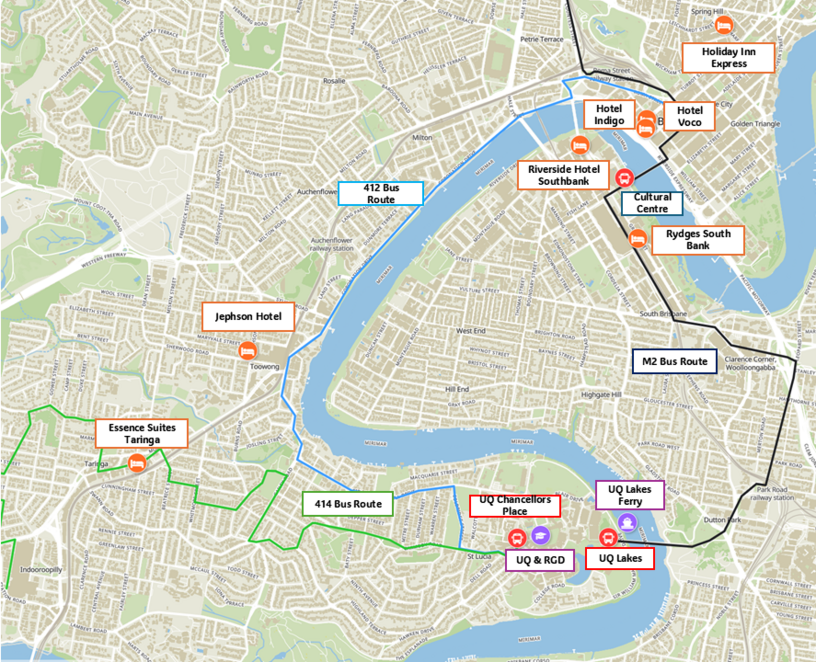
We know that when choosing your conference accommodation, accessibility to the conference and the local sights that Brisbane has offer will be important aspects of your choice. The map below shows two popular bus routes to UQ from the city center, the 412 and M2 Metro bus routes, along with our hotel recommendations. We are lucky to have obtained some discounts rates with some local hotels which are also highlighted on the map below. For those who would like a scenic journey to and from the conference, we have also highlighted the CityCat ferry terminals along the river between UQ and the city center. Currently, all Brisbane public transit fares including CityCats are reduced to a flat rate of $0.50AUD, excluding the Airtrain.
Additionally, we have included some recommendations for other reasonably priced accommodation options within commuting distance to UQ. The main places to stay are South Bank and the Brisbane CBD, where they are also many restaurants to go out to dinner in the evening, and also several options in Toowong or Taringa which are physically closer to the university, but further from the city. This list is by no means exhaustive and for more options we recommend exploring the Discover Brisbane section of the main ISSW35 website or the following page: https://visit.brisbane.qld.au/accommodation
(This map is still being updated with new hotels for RGD34, but the locations are still relevant!)
Hotel Discount Rate Recommendations
Rydges South Bank - 10% Discount 9 Glenelg St, South Brisbane QLD 4101 Ph: +61 7 3364 0800 Bus route(s): M3 - 35 minutes to UQ F1 - 30 minutes to UQ | |
Hotel Voco – 15% Discount 85-87 North Quay, Brisbane, QLD, AU Ph: +61 7 3237 2300 Bus route(s): 412 – 20 minutes to UQ | Hotel Indigo – 15% Discount 27/35 Turbot St, Brisbane City QLD 4000 Ph: +61 7 3237 2330 Bus route(s): 412 – 20 minutes to UQ |
Riverside Hotel Southbank – 10% Discount 20 Montague Rd, South Brisbane QLD 4101 Ph: +61 7 3846 0577 Bus route(s): 412 – 30 minutes to UQ M2 – 30 minutes to UQ Call and quote UQJULY26 for the discount | Holiday Inn Express Brisbane – 15% Discount 168 Wharf St, Spring Hill QLD 4000 Ph: +61 7 3833 8888 Bus route(s): 192 – 45 minutes to UQ 411 - 40 minutes to UQ |
Essence Suites Taringa - 15% Discount 28/32 Morrow St, Taringa QLD 4068 Ph: +61 7 3556 5000 Bus route(s): 428 – 20 minutes to UQ 427 – 20 minutes to UQ 414 - 20 minutes to UQ Use dIscount code Rarefied Gas Dynamics when booking at their website: |
The second map here provides information about the locations of various inner city Brisbane attractions which conference delegates may want to visit around the conference:
Host Region: South East Queensland
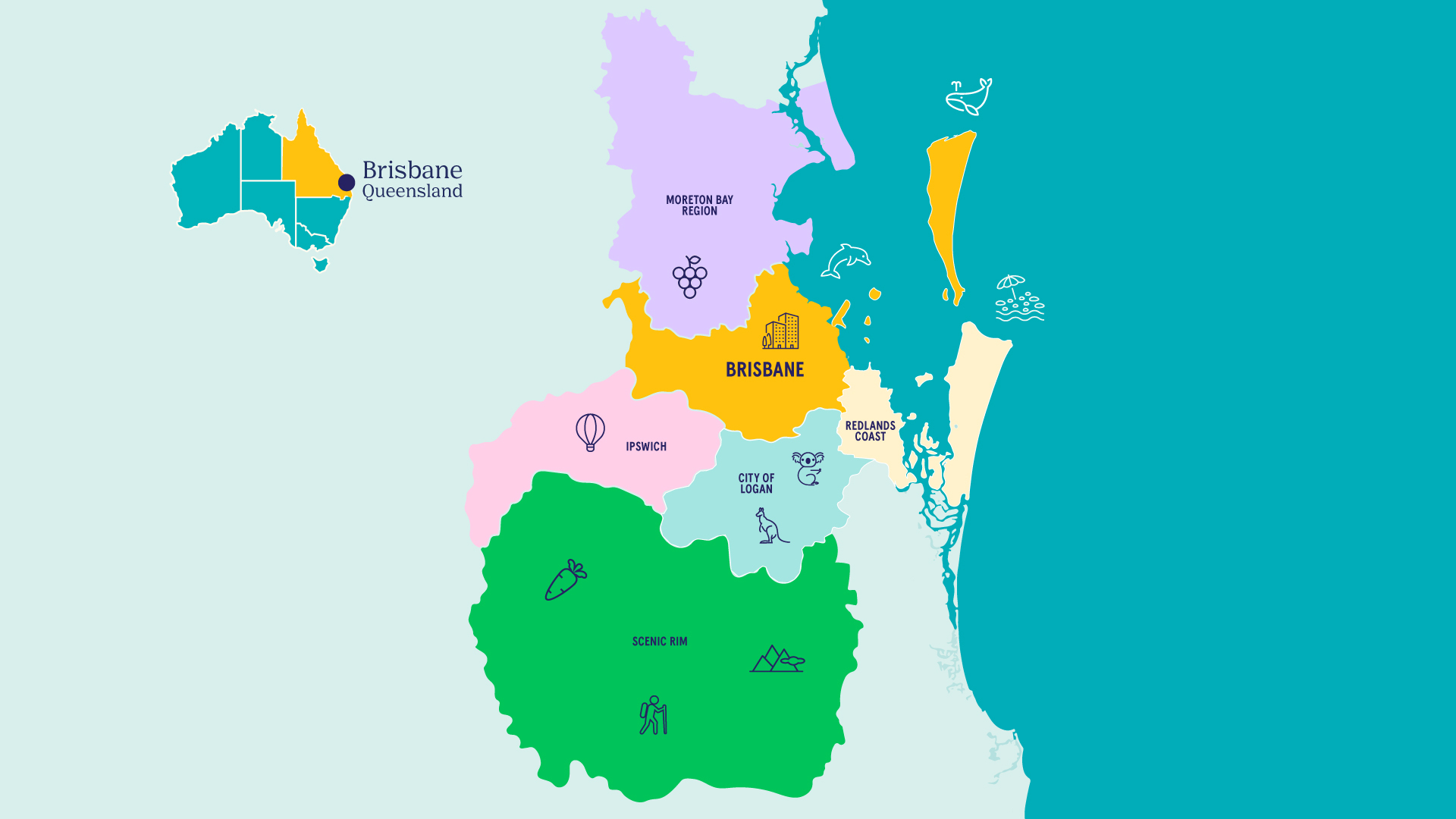
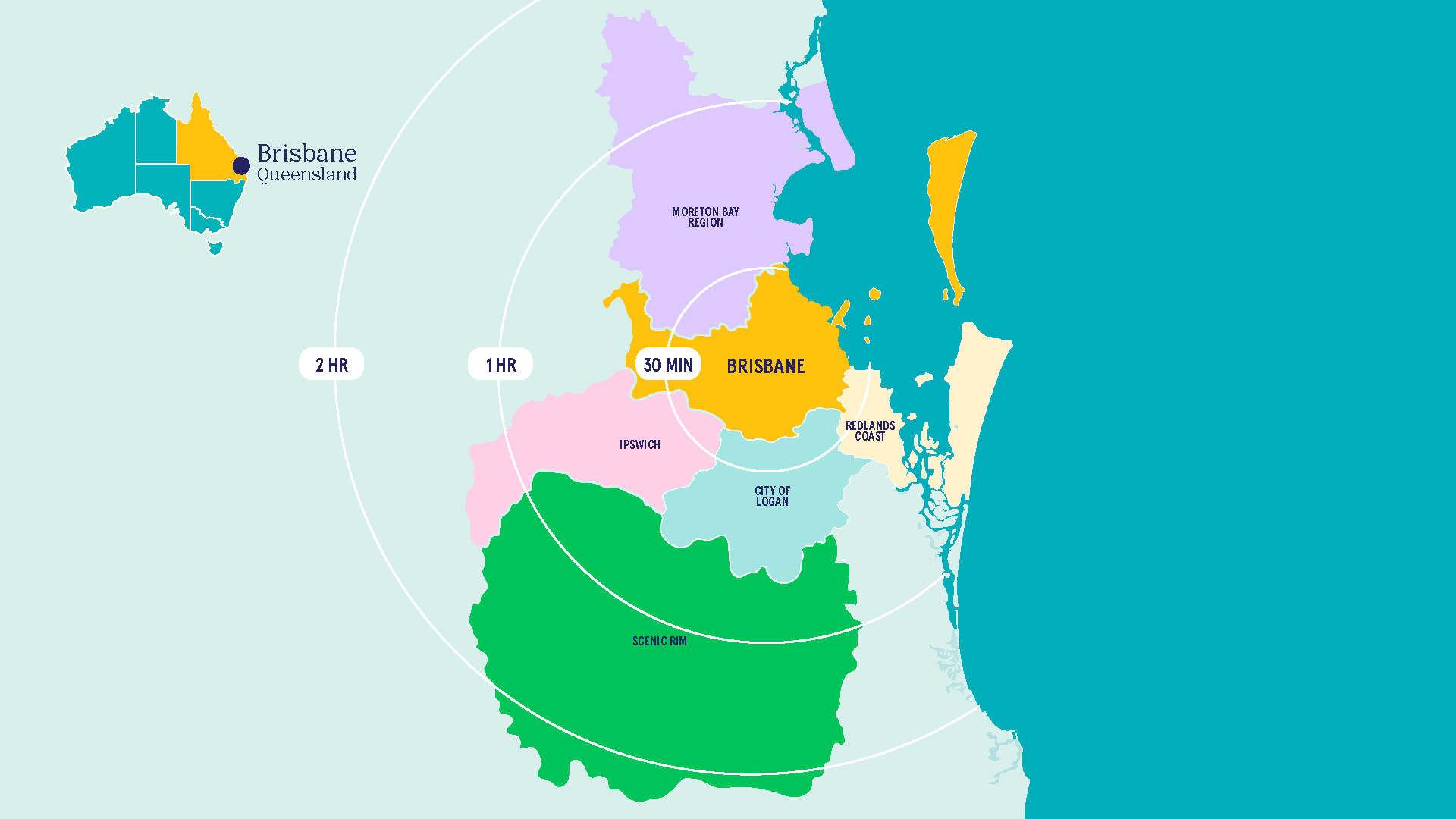
The greater South East Queensland region has many great things to see such as native wildlife, whale watching, hiking, wineries, and the great beaches of the Gold Coast and the Sunshine Coast.
The image below shows some of the different types of experiences available in South East Queensland. The second image below shows the driving distance to some of these locations.
Host State: Queensland
Further information about Queensland will be forthcoming but a wealth of information about what one can do in Queensland can be found on the Queensland tourism website here: https://www.queensland.com/
Host Country: Australia
Australia is an amazing and diverse country and we hope that you will be able to take some time before or after the conference to experience some other parts of Australia while you are here. A wealth of information about Australia can be found at the following website: https://www.australia.com
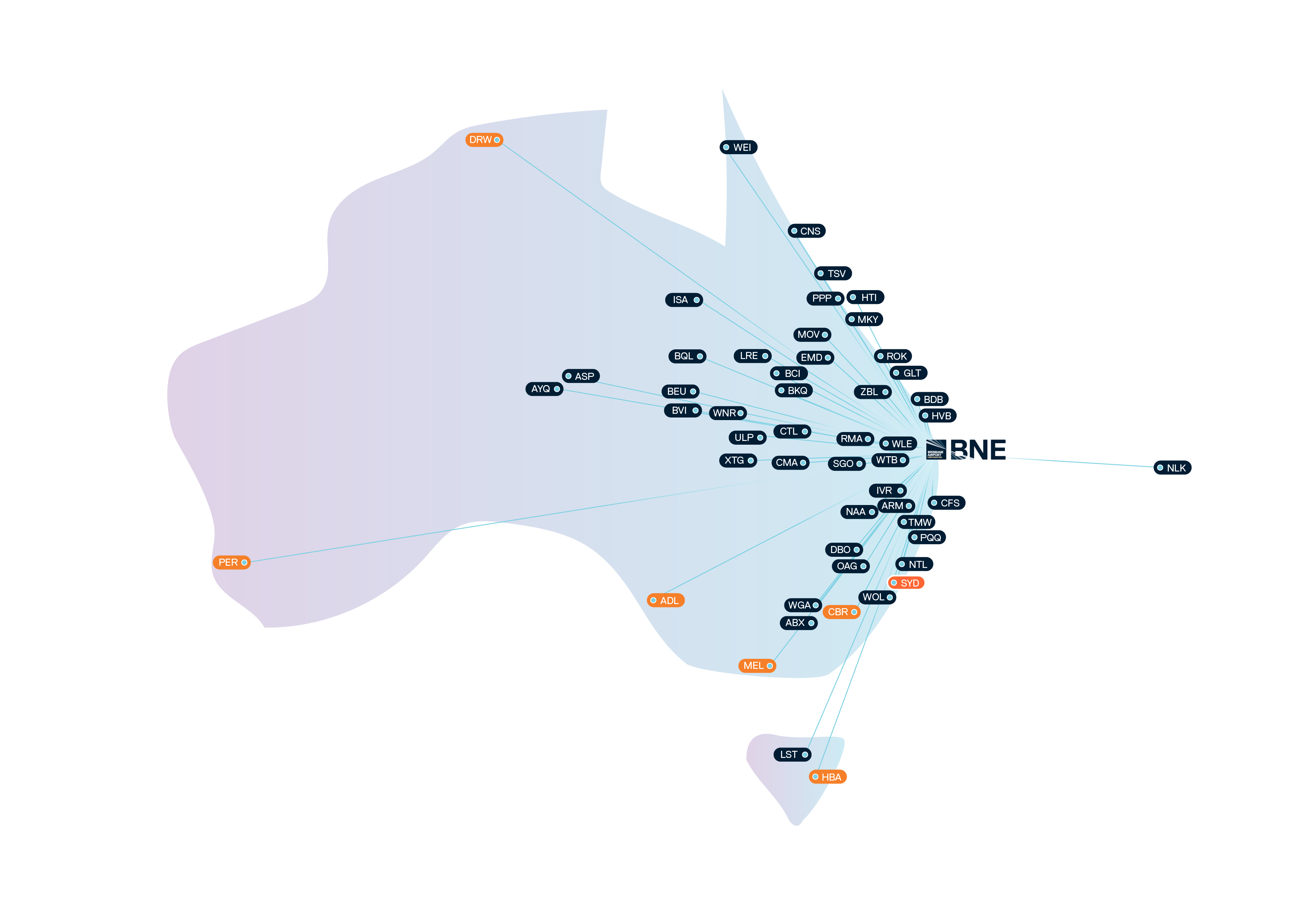
The Brisbane Domestic Airport is connected to almost everywhere in Australia, allowing delegates easy access to other parts of Australia:
The following brochures about Brisbane include important information for delegates and guests about Australia such as the currency used in Australia, tipping etiquette (tipping is not expected in Australia), the electricity supply and plug used in Australia (240/250 volts AC at 50 Hz), the Australian emergency number (000), shopping hours, the drinking age, sun safety and other important information.
RGD34
Brisbane, Australia
13 - 17 July 2026
For general enquiries, please email rgd@rgd34.org
Please follow us on Linked In here:
https://www.linkedin.com/company/international-symposium-on-rarefied-gas-dynamics
The RGD34 abstract submission due date has been extended to the 1st of March 2026!
Abstracts can be submitted at the following link:
https://easychair.org/conferences?conf=rgd2026
Abstract templates for Microsoft Word and Latex can be found at the Abstract Submission tab below.


RGD34 acknowledges the Traditional Owners of the land where the conference will be held, the Turrbal and Jagera people, and pay our respects to Elders past, present, and emerging. We celebrate the stories, culture and traditions of Aboriginal and Torres Strait Islander Elders of all communities who also work and live on this land.